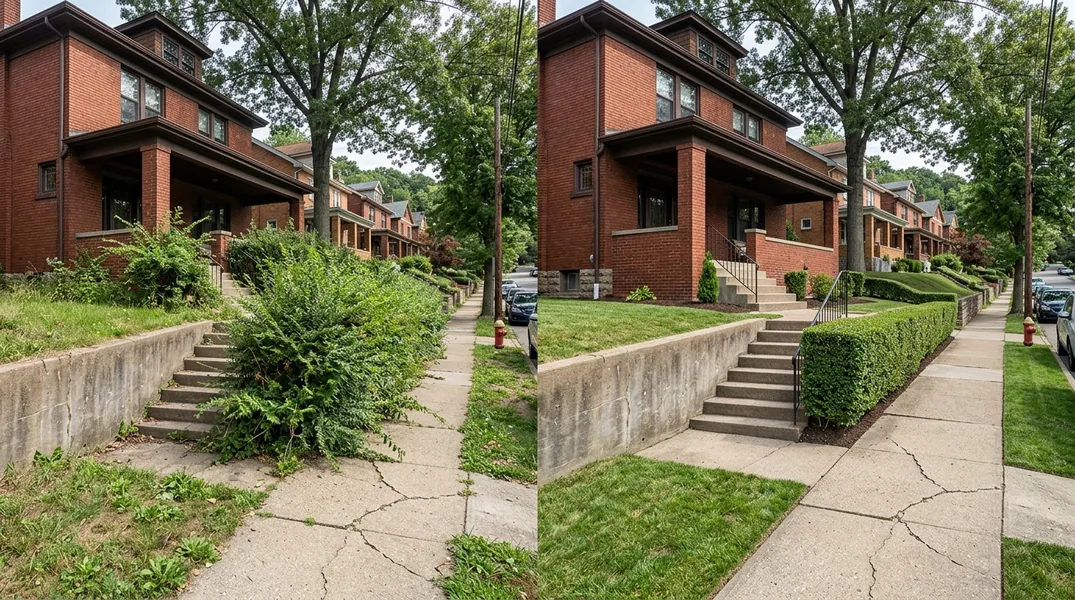
Understanding the Difference: Tree Trimming vs Tree Removal
When you notice a tree on your property showing signs of decline or damage, your first instinct might be to remove it entirely. But before you make that decision, it's worth understanding that Tree Trimming & Pruning can often restore health and safety to a struggling tree. The key difference between the two approaches comes down to the tree's condition, structural integrity, and potential for recovery.
Tree Trimming & Pruning involves selectively removing branches to improve the tree's shape, health, and safety. This practice encourages new growth, removes dead or diseased wood, and allows sunlight to reach the canopy. Tree Removal, on the other hand, is a more drastic solution reserved for trees that are beyond saving, pose an immediate hazard, or are causing damage to your home or surrounding property. Understanding when each approach is appropriate can save you money and preserve the natural beauty of your Pittsburgh landscape.
Signs Your Tree Might Be Saved Through Trimming
Not every tree with visible problems needs to come down. Many trees that appear to be in trouble can be revitalized with proper Tree Trimming & Pruning care. If your tree has dead branches concentrated in one area, sparse foliage, or crowded limbs that prevent light penetration, these are often signs that trimming will help. Trees that have experienced storm damage but retain a strong central trunk and healthy bark are typically good candidates for recovery through careful pruning.
A tree showing early signs of disease, such as minor leaf discoloration or small patches of bark damage, can often be saved by removing the affected branches before the problem spreads. Similarly, if your tree is rubbing against your home, blocking a view, or interfering with power lines, strategic trimming can solve these issues without removing the entire tree. The Pittsburgh area's variable weather and seasonal changes mean that many trees simply need professional attention to thrive again. Young to middle-aged trees with good structural form are especially likely to respond well to trimming, regaining vigor and adding years to their lifespan.
Red Flags That Indicate Removal May Be Necessary
Certain conditions make Tree Removal the only safe and practical choice. If more than 50 percent of the tree's canopy is dead or dying, the tree has likely lost its ability to recover. A tree with a severely split trunk, large cavities in the wood, or extensive hollow sections cannot be safely preserved, as these structural failures compromise its stability. Trees infected with serious diseases like Dutch elm disease or ash borers, particularly if the infection is widespread, cannot be saved through trimming alone and pose a risk of spreading disease to nearby trees.
If your tree is leaning significantly, has roots that are lifting your foundation or sidewalk, or has branches that consistently drop during normal weather, these are hazard signs that warrant professional evaluation. A tree that is already partially uprooted, has multiple large cracks in the trunk, or is growing in a severely compromised way may need to be removed for the safety of your family and property. Dead trees should never be left standing, as they become unpredictable and dangerous. If you're uncertain whether your tree falls into the removal category, a professional free estimate from Pittsburgh Tree Service can provide clarity and peace of mind.
Hazard Tree Assessment in Pittsburgh: What Professionals Look For
A proper hazard tree assessment involves more than a quick visual inspection. Professional arborists evaluate multiple factors to determine whether a tree poses a genuine risk and whether it can be saved. They examine the tree's overall structure, looking for signs of weakness such as multiple trunks with included bark, uneven weight distribution, or a history of previous damage. They also assess the proximity of the tree to buildings, power lines, and other structures to understand what could be damaged if the tree fails. Environmental factors specific to Pittsburgh, such as soil conditions, water availability, and exposure to wind and ice storms, all play a role in determining tree health and stability.
During a hazard tree assessment, professionals also look at the tree's root system, bark condition, and any signs of pest infestation or disease. They consider the tree's age and species, as some types of trees are more prone to failure than others. A tree might be perfectly healthy but still pose a hazard if it's located in a high-risk position relative to your home or frequently used outdoor areas. This comprehensive evaluation helps determine whether trimming can address the hazard, whether the tree should be monitored, or whether removal is the safest option. If you're concerned about a tree on your property, calling Pittsburgh Tree Service at (878) 378-9009 for a professional assessment is a smart first step.
The Benefits of Choosing Trimming When It's an Option
Opting for Tree Trimming & Pruning instead of removal offers numerous advantages when the tree is salvageable. Mature trees provide significant environmental benefits, including air purification, carbon sequestration, and cooling effects that can reduce your energy bills. A well-established shade tree also adds considerable value to your property and enhances curb appeal. Removing a mature tree means losing these benefits and facing a long wait for a new tree to grow large enough to provide the same advantages. Trimming preserves the tree while addressing specific problems, making it the more economical choice in most cases.
Beyond the practical benefits, there's an emotional and aesthetic value to preserving trees that have been part of your landscape for years. Trees often hold sentimental significance for families, and trimming allows you to maintain that connection while ensuring safety and health. Professional trimming also improves the tree's natural form and encourages stronger, more resilient growth patterns. For homeowners in Pittsburgh looking to maintain their landscape's character while managing tree health concerns, trimming is almost always the preferred solution when it's viable.
When to Call a Professional: Getting Expert Guidance
The decision between trimming and removal shouldn't be made lightly or without professional input. Trees are complex living systems, and what appears to be a serious problem to an untrained eye might be manageable with proper care, or conversely, what seems minor might indicate a deeper structural issue. Professional arborists bring years of experience and specialized knowledge to the assessment, helping you avoid costly mistakes in either direction. Whether you're dealing with storm damage, disease concerns, or simply a tree that's outgrown its space, expert guidance ensures you make the right choice for your specific situation.
Pittsburgh Tree Service offers comprehensive hazard tree assessments and can help you determine the best path forward for any tree on your property. Our team evaluates each tree individually, considering its health, structure, location, and potential for recovery. We can explain your options clearly and help you understand the long-term implications of trimming versus removal. If you're uncertain about a tree on your property, don't wait for a problem to develop. Contact us at (878) 378-9009 or request a free estimate today to get professional guidance and ensure your landscape remains safe and beautiful.
Looking for a professional tree service in Pittsburgh? Pittsburgh Tree Service responds fast for all your tree service needs.
Get a Free QuoteOur services: Tree Removal · Tree Trimming & Pruning · Stump Grinding